Coffee
7 Precision Coffee Scales for Brewing Espresso Like a Professional
Author:Tooba
|
Released:November 24, 2025
Consistency in espresso is tough without clear feedback. Volumetric buttons and visual cues feel dependable - until one shot tastes full and balanced and the next comes out thin or sour for no obvious reason. Espresso has a way of punishing tiny changes, and it does so fast.
A good coffee scale removes a lot of that uncertainty. Dose, yield, and brew time stop being vague ideas and become numbers you can track.
Once those numbers are in front of you, patterns start to show up. You notice when shots run too fast, when yields drift, or when a small change in dose throws everything off. For anyone taking espresso seriously, a scale quickly becomes part of the routine. It’s not an extra tool or a nice-to-have; it’s what makes repeatable results possible.
Is a Precision Scale Worth It for Espresso
Weighing both dry coffee and liquid yield changes how espresso feels day to day. Coffee density isn’t stable: humidity, roast age, and grind size all play a role. A basket that looks “about right” can easily be under-dosed by two grams compared to yesterday, without looking any different[1]. In espresso, that small gap can swing the extraction more than expected.
Locking in a consistent brew ratio, like 1:2, removes a lot of second-guessing. When a shot tastes off, attention can stay on grind, temperature, or timing instead of wondering whether the dose drifted. That kind of feedback loop builds habits over time, rather than relying on instinct alone.
Many people start with kitchen scales and quietly stop using them. Most kitchen models only measure in whole grams and react slowly. Espresso moves fast - two grams can pass in under a second. When the display updates late, it forces early stopping and guesswork, which defeats the point. Espresso-focused scales that measure to 0.1g keep things controllable without adding complexity[5].
Using a slow scale during extraction is a bit like steering with lag. Accuracy matters, but responsiveness matters just as much.
What Level of Accuracy Actually Matters
In espresso brewing, accuracy only matters when it improves control. Over-finessing the numbers usually just backfires. You want steady, clear digits that keep up with the flow, not twitchy lab-grade sensitivity that messes with your head when pulling a fast shot.
0.1g vs 0.01g Precision
For espresso, 0.1g marks are the sweet spot. This gives you total grip on dose and yield without screen jumping. Scales pushing 0.01g are overkill. They freak out from breezes, shakes, or tray heat. Readings jump while the shot is running, making it harder to stop cleanly [3].
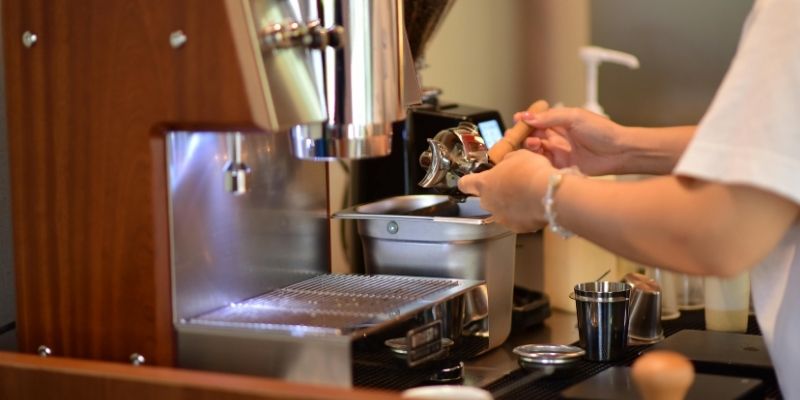
A stable display beats excessive sensitivity. Espresso workflows benefit from calm, readable numbers that move predictably as liquid flows.
Responsiveness During Extraction
Display refresh rate has more impact than decimal places. If the screen lags behind actual flow, the cup can overshoot the target before the numbers catch up. Fast sensors update several times per second, letting you stop the pump exactly when the yield hits the mark [7].
This responsiveness becomes critical when dialing in lighter roasts or faster-flowing shots where extraction windows are tight.
Cheap vs Smart Coffee Scales
Entry-Level Scales
Low-cost digital scales, often sold as jewelry scales, typically cost under $20 USD. They usually provide 0.1g resolution and are fine for weighing beans before grinding [2]. Their weaknesses appear quickly at the espresso machine.
Common limitations include:
- No water resistance
- No built-in timer
- Disposable battery power
- Fragile plastic housings
Placed on a wet drip tray, many fail within months. They can work temporarily, but longevity is unpredictable.
Mid-Range Espresso Scales
Scales in the $50–$100 USD range offer better balance. Most packs built-in power, snappy chips, and clocks. Plenty start the timer the second liquid hits the glass, so you stop fumbling with buttons mid-pour.
Gear like the Timemore Black Mirror Basic 2 fits here, doing the job well without useless fluff [2]. For most kitchens, these give the best bang for your buck.
Professional and Smart Scales
Scales over 200 bucks trade on brute strength and tracking data. Metal frames and waterproof guts shrug off messy spills and the constant abuse of a busy shop or a pro-level home bar.
Bluetooth connectivity enables logging flow rates and extraction curves, though most home users rarely need this depth of analysis [4]. These tools suit those who value build quality and speed over minimal cost.
Features That Actually Matter in Daily Use
Daily espresso routines expose weak equipment quickly. The features that matter most are the ones you rely on every morning without thinking. Size, water resistance, and power management affect workflow far more than extra modes or specifications you rarely touch.
Footprint and Clearance
Space under espresso machines is limited. A thick or oversized scale forces compromises such as smaller cups or removing the drip tray entirely. Low-profile designs fit cleanly beneath portafilter spouts without altering the setup [7].
Before buying, measure vertical clearance. Many good scales are ruled out simply by height.
Water Resistance
Steam, splashes, and stray drips are unavoidable. Scales with exposed seams or battery doors often fail as moisture works inside. Models with sealed buttons, silicone covers, or waterproof coatings last far longer [5].
Water resistance is less about accidents and more about survival over hundreds of small exposures.
Power and Charging
USB-C charging has replaced disposable batteries for most quality scales. A long-lasting internal battery reduces daily friction. Some scales include smart auto-off systems that stay active during extraction but shut down after inactivity, preserving charge without interrupting shots [6].
Seven Precision Coffee Scales Compared
Acaia Lunar - $250
The Acaia Lunar remains a reference point. Its aluminum construction, waterproof sealing, and fast response define the professional standard. It fits extremely tight drip trays and reacts instantly during extraction [2].
This is a long-term investment aimed at users who value reliability above price.
Felicita Arc - $150
The Felicita Arc mirrors much of the Lunar’s functionality at a lower cost. It offers water resistance, fast tracking, and a similar footprint. The interface is simpler, and software refinement is slightly behind, but performance remains strong [6].
It suits those who want premium behavior without the top-tier price.
Timemore Black Mirror Nano - $90 USD
Designed for compact spaces, the Nano features a vertical display that stays readable even when covered by large cups. While its construction relies more on plastic, sensor responsiveness is strong, and espresso-specific modes automate timing and taring [2].
This scale fits well in crowded home setups.
Brewista Smart Scale III - $90 USD
The Brewista Smart Scale III prioritizes durability and simplicity. A nano-coated surface improves water resistance, and multiple auto modes support espresso workflows. Its thicker profile limits compatibility with very low-clearance machines, but it works well with most E61 setups [3].
Hario Drip Scale - $50 USD
A long-standing option, the Hario Drip Scale works better for pour-over than espresso. Sensor lag requires stopping shots early to compensate, and the lack of water protection makes drip-tray use risky [3].
It remains useful off-machine but struggles in espresso workflows.
Fellow Tally - $185 USD
The Fellow Tally emphasizes design. An OLED display and physical dial offer a tactile experience, and performance is fast and accurate. Its size makes it better suited to the counter than the drip tray, limiting espresso placement [2].
This scale suits users who prioritize interface and appearance.
Generic Weightman or Maxus Scales - $15 USD
Basic plastic scales serve as entry points. They deliver 0.1g accuracy but lack durability and water protection. Most last six to twelve months near steam before electronics fail [1].
They work temporarily but rarely survive long-term espresso use.
Common Mistakes That Shorten Scale Lifespan
Chasing Excessive Precision
Laboratory-grade claims distract from real-world usability. A scale reading to 0.001g offers no advantage if the display stabilizes slowly. Espresso requires fast, readable feedback, not scientific sensitivity [7].
Poor Maintenance Habits
Coffee grounds accumulate in seams and beneath platforms. Grime eventually jams moving bits, making the numbers freeze or twitch. Regular wipes and testing with real weights keeps the math honest [6].
Heat Exposure
Resting boiling metal on plastic bases fries the guts inside. Silicone pads save scales from heat blasts and stop the parts from quitting early [5].
Choosing the Right Scale for Your Setup
Start with physical constraints. Measure clearance under your machine. If space is tight, options narrow quickly to low-profile models like the Lunar or Nano. Ignore advanced app features unless you actively plan to analyze shot data. For most users, a clear display, fast response, built-in timer, and USB-C charging matter far more than Bluetooth graphs. Mid-range scales deliver the best balance.
They support consistent ratios, reduce daily friction, and avoid the diminishing returns of ultra-premium pricing. Get that 1:2 ratio down cold first. Once you hit the mark, use the scale to mess with long pulls or tight shots. Now, the scale isn't a ruler; it's the coach that sharpens your whole daily brew.
References
[1] Reddit Espresso Community - Scale Buying Advice - https://www.reddit.com/r/espresso/comments/1n941ex/im_stuck_between_3_scales_i_only_use_it_to_weigh/
[2] The Way to Coffee - Scale Guides - https://www.thewaytocoffee.com/best-coffee-scale/
[3] Prima Coffee Equipment - Scale Comparisons - https://prima-coffee.com/prep/scales
[4] Qavashop Academy - Precision Brewing - https://qavashop.com/en/academy/9?srsltid=AfmBOorczu4Q-XzUmMqUUyn9nXM-QxR1KMJp7mP3CWlXXWzATfUASK9m
[5] Newton Espresso - Espresso Accessories & Control - https://newtonespresso.co.nz/
[6] Hamlet Wokingham - Maintenance & Gear Care - https://hamletwokingham.store/blogs/coffee-brewing-guides/coffee-scale-maintenance?srsltid=AfmBOor2sPfK_1K6McgjLeaV3TB9U2soiS7Fk72wojHDMENczC6s7PW7
[7] FLTR Magazine - Choosing a Coffee Scale - https://fltrmagazine.com/2025/06/07/how-to-choose-a-coffee-scale/
You May Like
-

-
Coffee
Home Espresso Cleaning: The Dosage Trick Nobody Tells You
-
Coffee
Co-Fermented Coffee Is No Longer a Niche: Here's What's Driving the Trend
-
Coffee
7 Best Reusable Coffee Filters Worth Buying for Better Taste and Less Waste
-
Coffee
Moka Pot Guide: The Italian Secret To Strong Espresso (Under $30)
-
Guide
The #1 Reason Your Coffee Tastes Burnt (And How To Fix It Forever)